01
Morning anchor
Pair the first cup with breakfast rather than treating tea as breakfast. Protein, fiber and minimally processed foods help make the morning routine more complete.
A thoughtful tea ritual for everyday wellness
Cardio Slim Tea combines familiar botanicals—including beetroot, hibiscus, decaffeinated green tea, ginger and oolong—with a broader plant-based blend. This guide explores what is in the formula, how the seller recommends using it, and the sensible questions to ask before making it part of your day.
Wellness supplement—not a medicine. Individual experiences vary. No tea can diagnose, treat, cure or prevent cardiovascular disease, hypertension, obesity or another medical condition.

What is Cardio Slim Tea?It is a multi-ingredient herbal tea marketed as a simple daily companion for circulation, cardiovascular wellness and metabolic support. Its formula and routine may complement—not replace—sleep, balanced food, regular movement and clinician-directed care.
See the routineFrom sunrise to wind-down
The official directions promote three to four cups daily. That frequency is a product recommendation, not a universal medical requirement. Start by reading the current pouch, consider your total fluid and caffeine intake, and ask a clinician or pharmacist whether the botanicals fit your medicines and health history.
Pair the first cup with breakfast rather than treating tea as breakfast. Protein, fiber and minimally processed foods help make the morning routine more complete.
Use the brewing pause as a cue to step away from the screen, stretch, breathe slowly or take a short walk—small actions that support an overall heart-conscious day.
Serve the tea warm or pour it over ice. Avoid loading it with sugar if metabolic wellness is the goal; the formula lists monk fruit for sweetness.
A fourth cup may not suit everyone. If you are caffeine-sensitive, take diuretics, monitor fluids or notice sleep disruption, discuss the timing and amount with a professional.
Inside the blend
Ingredients can be interesting without turning their traditional use or early research into proof of a finished product. The five components below help explain the formula’s flavor and wellness positioning. The amount of each ingredient matters, and a complete Supplement Facts panel should be the final reference.
Think of the blend as one part of a larger routine—not a shortcut around food quality, activity, sleep, medical screening or prescribed care.
Check the latest labelBeetroot naturally contains nitrate compounds that the body can convert along a pathway involving nitric oxide, a molecule connected with normal blood-vessel function. Whole beets also contribute color and earthy flavor. Research on beetroot preparations does not mean every dose or blend produces the same effect, so avoid reading a general ingredient story as a guaranteed blood-pressure result.
Hibiscus gives herbal tea a deep ruby hue and pleasantly tart character. It is commonly studied in relation to cardiovascular markers, yet products differ in species, strength and serving size. Hibiscus may also add to the effects of blood-pressure or blood-sugar medicines, making a medication review especially worthwhile.
Green tea contributes polyphenols, including catechins, and a clean tea note. “Decaffeinated” does not always mean absolutely zero caffeine. Although the seller describes the complete blend as caffeine-free, people with strong caffeine sensitivity should verify the current label or contact the manufacturer about residual amounts.
Ginger supplies warmth and aromatic spice. Many people know it from culinary traditions and digestive-wellness routines. Concentrated or frequent ginger intake can be relevant for people using anticoagulant or antiplatelet medication, and it should not be promoted as a stand-alone fat-burning solution.
Partially oxidized oolong sits between green and black tea in processing and flavor, lending the cup body and toasted notes. Oolong naturally contains caffeine unless specially decaffeinated. Because the marketing calls this blend caffeine-free, confirm the finished product’s labelling if caffeine avoidance is medically or personally important.
The product site also lists chamomile, dandelion leaf, hawthorn berries, lemongrass, trimethylglycine (TMG), grapeseed extract, ginseng root, curcumin, cinnamon, monk fruit, plus natural lemon and mint flavor. Each adds a different flavor or formulation role; their presence does not establish a clinical outcome for the complete tea.
A clearer look at the headline claim
The product story frames elevated homocysteine as a central cause of blood-pressure imbalance and says the blend helps the body remove excess homocysteine. TMG is included in the formula and participates in biological methylation pathways related to homocysteine metabolism.
That mechanism may sound persuasive, but a pathway explanation is not the same as evidence that this finished tea reliably changes a clinical outcome.
Elevated homocysteine can be associated with cardiovascular risk, but hypertension and cardiovascular disease have many possible contributors: genetics, age, kidney function, sleep apnea, tobacco, sodium intake, activity, body composition, medicines and more. It is not accurate to call one biomarker the universal root cause.
If a homocysteine result concerns you, ask a clinician to interpret it in the context of laboratory values, nutrition and overall risk rather than self-treating with tea.
The routine around the ritual
The most useful role for a wellness tea may be behavioral: it can create a predictable moment to check in with the habits that have stronger support for cardiovascular and metabolic health. Build the cup into a broader pattern that is practical enough to repeat.
Center meals on vegetables, fruit, beans, whole grains, nuts, fish or other appropriate protein sources. Watch sodium and ultra-processed foods if blood pressure is a concern. A tea should accompany nutritious food, not replace it.
Work toward regular aerobic activity and strength work at a level that is safe for you. Short walks count, especially when they replace long sedentary stretches. People with symptoms or cardiovascular diagnoses should ask what intensity is appropriate.
If you monitor blood pressure, use a validated cuff, follow correct positioning and record readings over time. Do not change medicine because of a single number or because you started a supplement; share the pattern with your care team.
A consistent sleep schedule supports appetite regulation and overall well-being. If evening tea increases bathroom visits, worsens reflux or seems to affect sleep, move the serving earlier or reduce intake after professional advice.
Tea contributes fluid, but more is not always better. Fluid needs can be medically restricted for some heart or kidney conditions. Follow individualized advice instead of automatically adding four large cups to your day.
Let steeping time become three quiet minutes: unclench the jaw, slow the breath and step away from notifications. Stress management is not a cure, but it can support a more intentional daily rhythm.
Hot or over ice
Frequency: the seller recommends three to four cups per day. Follow the current package directions, not an older webpage, and choose a lower frequency if a healthcare professional recommends it.
Options shown by the seller
The official product page displays three packages. Prices, bonuses, inventory and shipping terms can change, so confirm the final amount at checkout before paying. The per-pouch figures below reflect the offer observed on the seller’s page, not a promise of future pricing.
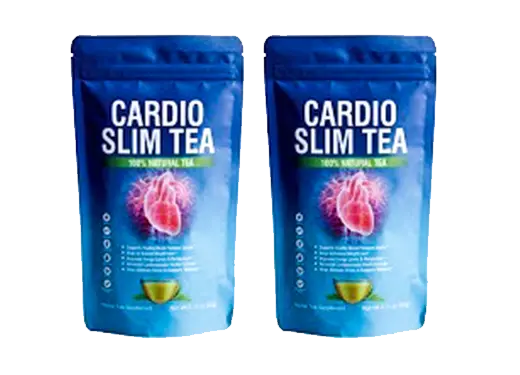


The seller advertises a 60-day guarantee. Before ordering, read the live refund terms for the start date of the guarantee period, return instructions, eligible products, shipping costs and contact details. Keep your order confirmation and packaging until you are satisfied. This page summarizes the displayed policy and does not process refunds.
Helpful details
No. It is marketed as an herbal wellness tea and should not be treated as a medicine or replacement for clinician-prescribed care. High blood pressure often has no symptoms and requires accurate measurement and appropriate follow-up.
No responsible product guide can promise targeted fat loss. Body fat changes are influenced by total energy balance, food pattern, activity, sleep, medicines and health conditions. Tea may be a low-calorie beverage when prepared without added sugar, but it does not selectively remove abdominal fat.
The seller calls the blend caffeine-free and lists decaffeinated green tea. Oolong normally contains caffeine, while decaffeinated tea can contain trace amounts. People who must strictly avoid caffeine should verify the current label and contact the manufacturer for precise testing information.
The official directions promote three to four cups daily. That amount is not right for every person. Review the current label and ask a professional if you take medicine, restrict fluid, are caffeine-sensitive or have a medical condition.
Yes. Brew the bag in hot water for the recommended three to five minutes, allow the tea to cool and serve it over ice. Refrigerate prepared tea promptly and follow normal food-safety practices.
There is no reliable universal timeline, and specific outcomes are not guaranteed. Track objective measures such as properly taken blood-pressure readings with your clinician rather than relying only on how you feel or on testimonials.
The calls to action on this guide lead to the redirection URL supplied for the official offer. Confirm the domain, checkout total, recurring-payment status and refund terms before entering payment information.
The product page describes plant-based ingredients, third-party testing and manufacture in a certified or FDA-registered facility. Registration is not the same as FDA approval of a supplement or its health claims. Look for a lot number, intact seal and current label on delivery.
Make the decision with the full picture
Review the latest ingredient label, serving directions, pricing and guarantee on the product site. If the formula fits your health plan, let the cup be a calm reminder to keep the other heart-supportive habits going.
Review Cardio Slim Tea →